
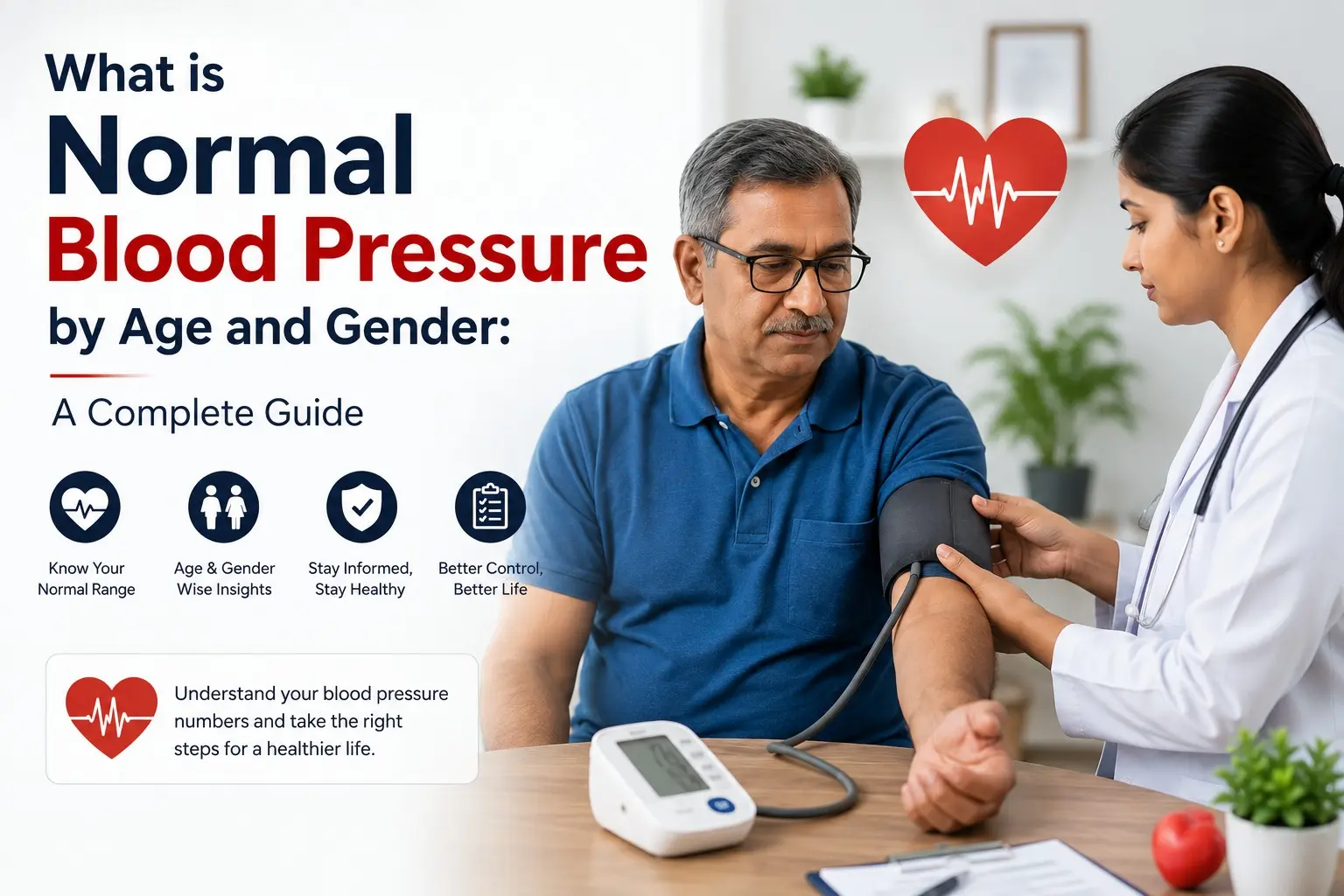
What is a normal blood pressure reading?
For most adults, a reading below 120/80 mmHg is generally considered a healthy reference point, though the right target can vary with age, health conditions, and current clinical guidelines. Blood pressure is written as two numbers: systolic (pressure when the heart contracts) over diastolic (pressure when the heart relaxes), and a single reading rarely tells the full story, since repeated, correctly taken measurements give a more reliable picture.
Blood pressure is one of the simplest yet most important indicators of cardiovascular health, and it can vary with age, lifestyle, and stress, which is why a single number rarely tells the whole story.
Understanding normal blood pressure by age and gender can help you make sense of your own readings and know when it's worth seeking medical advice. Regular health monitoring, including blood tests when recommended by a healthcare professional, supports a broader picture of your overall health. If you're looking for convenient diagnostic services, Excel Laboratory provides blood testing and home sample collection for people in Thane and nearby areas.
Blood pressure is the force of blood pushing against your artery walls as the heart pumps. It's recorded as two numbers, measured in millimetres of mercury (mmHg).
Systolic blood pressure is the first, higher number. It represents the pressure in the arteries when the heart contracts and pumps blood.
Diastolic blood pressure is the second, lower number. It represents the pressure in the arteries when the heart relaxes between beats.
For example, in a reading of 118/76 mmHg:
A single reading rarely gives the full picture, since blood pressure shifts through the day with activity, stress, sleep, food, and caffeine; repeated, correctly taken measurements are far more useful.
Blood pressure doesn't have one universal range that applies equally to every person. Age, health conditions, medications, and other factors can all influence an individual's readings.
For adults, a reading below 120/80 mmHg is generally a healthy reference point, though blood pressure by age should be interpreted against current clinical guidelines and a person's overall health. Children and teenagers are assessed differently, often by age, height, and sex.
| Age Group | General Blood Pressure Reference |
|---|---|
| Children | Varies according to age, height, and sex |
| Teenagers | Generally approaches adult ranges, but assessment may vary |
| Young adults | Below 120/80 mmHg is generally considered a healthy reference |
| Middle-aged adults | Blood pressure should be monitored regularly |
| Older adults | Individual targets may vary depending on overall health |
Children don't have the same blood pressure reference ranges as adults; their readings are assessed according to age, height, and sex, and can also be affected by anxiety, illness, or the measurement method itself. Parents should avoid comparing a child's reading directly with an adult chart; regular health check-ups help professionals spot unusual patterns early.
Young adults may see changes in blood pressure because of lifestyle factors such as:
Regular checks help catch changes early; even younger adults shouldn't assume high blood pressure can't affect them.
As people get older, the risk of developing high blood pressure tends to increase. Lifestyle, body weight, diet, stress, and family history all play a role. People in their 40s and 50s may benefit from regularly monitoring blood pressure, particularly if they have other cardiovascular risk factors. Staying active, eating a balanced diet, limiting salt, and managing stress all support healthy blood pressure.
Blood pressure management becomes particularly important with age, as arteries may become less flexible and other conditions can influence readings. Older adults shouldn't assume a higher reading is automatically "normal" because of age; targets differ between individuals depending on health, medications, and history. Anyone with consistently elevated readings should discuss them with a doctor.
Blood pressure patterns can differ between men and women at different life stages, but there isn't a separate universal "normal" target for each gender; age, hormonal changes, body composition, pregnancy, and existing health conditions all play a part. Rather than focusing only on gender-specific numbers, it's more useful to monitor your blood pressure consistently and discuss any unusual or persistent readings with a healthcare professional.
Several factors can contribute to elevated blood pressure over time, and being aware of them makes it easier to catch changes early. Common contributors include:
Blood pressure can also rise temporarily after exercise, stress, or caffeine, which is why repeated readings matter more than a single measurement.
High blood pressure often causes no obvious symptoms at all, which is why it's sometimes called a "silent" condition; many people live with elevated readings for years without realising it. Some people experience headaches, dizziness, vision changes, or shortness of breath when it's very high, but symptoms alone can't confirm hypertension. Regular checks, not how you feel day to day, remain the most reliable way to know where you stand.
Low blood pressure may be associated with symptoms such as:
Some people naturally run lower without any problems, but sudden or symptomatic drops should be discussed with a healthcare professional.
Home monitoring can be genuinely useful but only when it's done correctly. Before taking a reading:
Avoid measuring right after exercise, smoking, or caffeine, as these can temporarily affect your reading. If your provider has recommended home monitoring, follow their guidance on frequency.
If your readings are repeatedly above the recommended range, consult a healthcare professional. Seek urgent medical attention for a very high reading accompanied by chest pain, difficulty breathing, severe headache, confusion, weakness, or sudden vision changes.
Do not diagnose or treat high blood pressure based on an online chart alone.
Blood pressure measurement and blood testing provide different types of information. A blood pressure check measures the force of blood against artery walls, while blood tests can reveal blood sugar, cholesterol, kidney function, liver function, blood counts, and other markers, depending on what's prescribed. A doctor may recommend specific tests based on your age, symptoms, medical history, or routine screening needs.
For people who find it difficult to visit a laboratory in person, whether due to a busy schedule, mobility issues, or simply a preference for staying home, a home visit for a blood test in Thane is a convenient option. Excel Laboratory offers home sample collection services for patients who prefer to have their blood drawn at home: a trained phlebotomist visits the required location, collects the sample using appropriate procedures, and sends it to the lab for testing.
If you're searching for a home visit blood test in Thane or Thane West, home sample collection makes routine testing far more convenient, particularly for elderly patients or anyone managing a chronic condition that needs regular monitoring. Excel Laboratory also serves people searching for:
Choosing a reliable diagnostic laboratory matters, whether you need blood tests for routine health monitoring or on a doctor's recommendation. Excel Laboratory provides a range of diagnostic testing services and home sample collection options in Thane and nearby areas. Some of the benefits of using a professional laboratory service include:
If you need a blood test without travelling to a laboratory, consider a blood test laboratory in Thane that provides home collection services.
For many adults, a reading below 120/80 mmHg is generally considered a healthy reference point. Blood pressure should still be interpreted in the context of an individual's overall health and current clinical guidelines.
Blood pressure patterns can change with age, but this doesn't mean high blood pressure automatically becomes "normal" in older adults; individual health conditions and medical advice should always be considered.
Systolic blood pressure is the top number and represents pressure when the heart contracts. Diastolic blood pressure is the bottom number and represents pressure when the heart relaxes between beats.
Patterns can differ between men and women at different life stages, but there's no single separate "normal" target that applies only to one gender; individual factors matter more than gender alone.
This depends on your age, health status, previous readings, and your doctor's recommendations. People with high blood pressure or other risk factors may need more frequent monitoring.
Yes, stress and anxiety can temporarily raise blood pressure. If elevated readings continue even when you're relaxed, speak with a healthcare professional.
Yes. Excel Laboratory provides home sample collection for patients looking for a home visit for a blood test in Thane and nearby areas. A trained phlebotomist collects the sample at your location.
Keep a record of your readings and consult a healthcare professional. Do not start, stop, or change medication without medical advice.
Understanding normal blood pressure by age and gender can help you better understand your cardiovascular health, but blood pressure shouldn't be judged by age or gender alone. Regular monitoring, healthy habits, and professional medical advice remain the most reliable way to manage it effectively. If your healthcare professional recommends blood testing as part of your evaluation, Excel Laboratory can provide convenient diagnostic testing and home sample collection for anyone searching for a blood test centre or laboratory in Thane.